The growing connection between music, gaming and digital entertainment
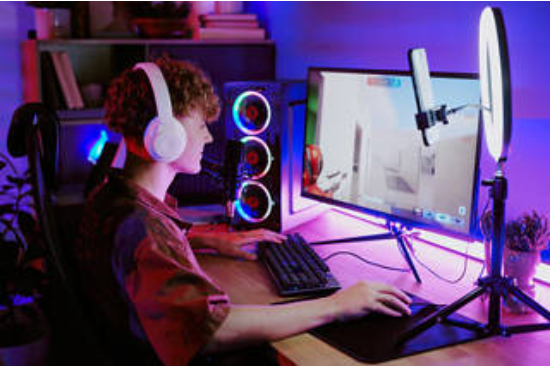
Music, gaming and digital entertainment are becoming increasingly interconnected, creating experiences in which you can listen, play and socialise within the same digital spaces. A song can introduce you to a new game, a soundtrack can turn an ordinary gaming session into a memorable experience and an online community can sustain interest in both long after their initial release. These connections reflect a wider change in how audiences discover culture, spend their leisure time and interact with entertainment across platforms.
The commercial figures help explain this convergence. IFPI reported that global recorded music revenues reached US31.7billionin2025,representingannualgrowthof6.4%.NewzooforecastthattheglobalgamesmarketwouldreachUS213.9 billion in 2026. These figures cover different markets, yet they demonstrate the scale of the audiences available to businesses exploring partnerships across music, gaming and digital leisure.
How music enhances the gaming experience
Soundtracks have long helped games establish atmosphere, communicate danger and create emotional connections with players. Contemporary compositions can respond to gameplay, building tension during a difficult encounter or introducing calmer melodies when you explore an unfamiliar setting. These musical changes influence how you interpret events, making sound an important part of game design. A memorable theme can also become inseparable from a particular character, location or moment, giving players a lasting connection to the experience.
Licensed music adds another dimension by connecting games with wider musical culture. Sports titles, racing games and open-world adventures frequently use recognisable tracks to establish their identity, whilst rhythm games make musical timing the foundation of play. You might discover a favourite artist through a game soundtrack before exploring their albums or attending a concert. For musicians, this creates another route to potential listeners; for developers, carefully selected music can strengthen a game's identity and appeal.
Gaming as a platform for musical discovery
Gaming platforms have developed into meeting places where music can reach audiences beyond traditional radio and streaming recommendations. Fortnite, for example, has hosted virtual performances featuring internationally recognised artists, demonstrating how games can accommodate concert-style events alongside their established activities. Such collaborations introduce musicians to players who might have limited familiarity with their work, whilst giving fans an interactive setting in which to experience performances.
The connection continues through livestreams, gameplay videos and social media clips, where a memorable track can travel between communities. When you share a favourite gaming moment accompanied by music, you help introduce that combination to another audience. This circulation can encourage music discovery and streaming, although exposure does not automatically translate into financial returns for artists. Licensing agreements and appropriate compensation remain important considerations for any collaboration.
Digital leisure and the wider entertainment market
Connected platforms make it easier to move between music streaming, multiplayer games, live broadcasts and other online activities. Subscription services, downloadable content and in-game purchases have also created different commercial models, giving audiences varied ways to access entertainment. However, the growing number of options makes transparency important, particularly when paid services compete for your time and disposable income.
This wider market includes online entertainment with different purposes and financial implications. For example, pikakasinot.com is a Finnish comparison website covering instant casinos, a term describing online casinos where players use online banking credentials for identification without completing a separate registration process. Its October 2026 guide states that its team has tested more than 160 instant casinos using real money. The website describes a testing process covering deposits, withdrawals, bonuses, game selection, licensing and customer service.
Commercial partnerships and shared audiences
For businesses, collaboration across entertainment offers opportunities to connect with audiences through complementary experiences. A game developer can license an artist's music to strengthen a game's identity, whilst a musician can promote new work through an exclusive performance or themed event. Such arrangements require careful consideration of copyright, performance permissions, revenue sharing and promotional commitments, since successful partnerships must deliver value to creators as well as businesses.
Measuring that value requires more than counting views or event attendance. Music streams, player retention, merchandise sales and audience engagement reveal different aspects of a campaign's performance. You can enjoy a collaboration without purchasing anything, so commercial exposure should never be confused with genuine audience loyalty. Clear agreements and fair compensation help build relationships that support creative work over time.
Communities, identity and participation
The strongest connections between music and gaming often emerge through communities that share playlists, discuss soundtracks and publish creative content. These activities turn entertainment into a social experience, allowing people with similar interests to connect across geographical boundaries. Independent musicians can benefit from these communities when their work suits a game's atmosphere or gains exposure through a popular creator.
However, participation brings practical challenges. Copyright restrictions can limit the music used in livestreams, whilst subscription fees and device costs affect access to digital services. Gambling-related entertainment also requires particular care, as wagering introduces financial risks absent from ordinary music streaming. Clear information, age restrictions and responsible spending practices remain essential whenever entertainment involves real-money gambling.
The future of connected entertainment
Music, gaming and digital entertainment are likely to develop closer commercial and creative relationships as platforms experiment with interactive listening, music-led game modes and collaborative events. Nevertheless, technical novelty alone cannot sustain audience interest. Strong compositions, thoughtful game design and authentic community engagement remain fundamental, whilst licensing arrangements must recognise the rights of songwriters, performers and recording owners.
Ultimately, these industries connect through their ability to create memorable experiences and bring people together. You can discover a musician through a game, revisit a favourite soundtrack through streaming or share an online performance with friends. The most successful collaborations will respect the distinctive qualities of each medium whilst allowing audiences to move naturally between them, creating lasting cultural connections alongside commercial opportunities.
Key takeaways
Music enhances gaming through immersive soundtracks and licensed tracks, whilst games give artists new opportunities to reach audiences and encourage music discovery.
Digital entertainment creates commercial opportunities through cross-industry partnerships, streaming platforms and interactive events, although licensing and fair compensation remain important.
Online communities connect music fans and gamers across platforms, making entertainment more social whilst highlighting the importance of accessibility, transparency and responsible spending.