What actually drives the price of jawline filler, and why the range between clinics is so wide
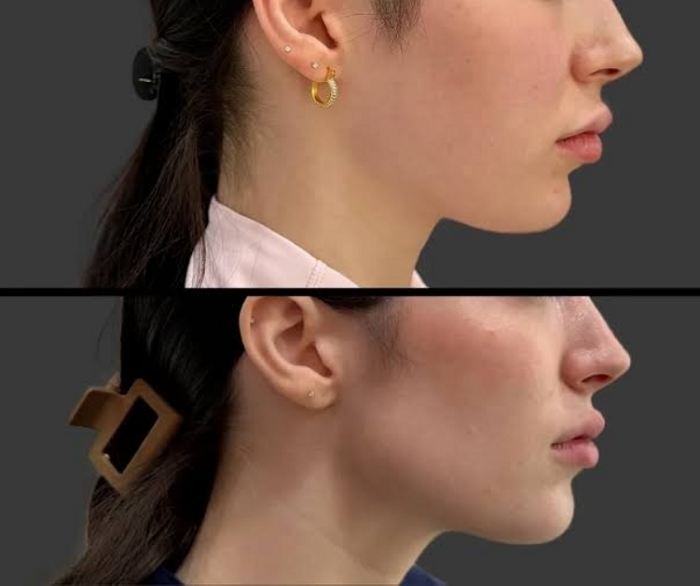
Quick answer: Jawline filler pricing varies mainly because of three factors: the volume of filler required, the experience level of the practitioner, and whether the treatment is being used for subtle definition or more significant reshaping. Prices for this treatment typically start from the low six hundreds and rise depending on the amount of correction needed, which is why quotes vary so widely between clinics offering what looks, on paper, like the same treatment.
Comparing prices for jawline filler cost across different clinics can be genuinely confusing, because the number on a website rarely reflects what most patients actually end up paying. That is not because pricing is deliberately unclear; it is because jawline filler is not a single standardised treatment. The amount of product used, and therefore the cost, depends heavily on individual anatomy and what the patient is trying to achieve.
Why this treatment exists in the first place
A defined jawline is closely tied to how the lower face is perceived generally, and jawline filler addresses two related concerns: a naturally weak or receding jaw structure, and the loss of definition that comes with age as jowls begin to form along the jawline. Using hyaluronic acid filler placed via micro-cannula, the treatment restores or adds structure along the jaw and chin, improving overall facial proportion. Because the chin and jawline function as a single aesthetic unit, treatment often addresses both together rather than the jaw in isolation.
What actually happens during treatment
The procedure is comparatively quick, typically around fifteen minutes, and uses a micro-cannula technique rather than direct needle injection in most cases, which tends to reduce bruising and discomfort. It is carried out under local anaesthetic, often preceded by a topical numbing cream for added comfort, involves minimal downtime, and results generally last up to two years before further treatment is needed to maintain the effect.
What actually determines the price
The single biggest factor in jawline filler pricing is volume. Subtle definition along an already reasonably structured jaw requires far less product than genuine reshaping of a weak or receding chin and jawline together. Since filler is priced per syringe, the difference between a light refinement and a more substantial correction can be significant, and this is the main reason two patients at the same clinic can receive very different quotes for what is technically the same treatment category.
Practitioner experience is the second factor, and it is a genuine one rather than simply a pricing tier. Jawline and chin filler sits close to major anatomical structures, and more experienced injectors are, in general, priced accordingly. At McKeown Medical, for example, treatment from the Medical Director starts from a different price point than treatment from an associate doctor, not because the associate doctors are inexperienced; all are GMC-registered practitioners, but because experience level is one of the legitimate variables that goes into pricing this kind of treatment.
The third factor is simply what the patient is trying to achieve. Someone looking for mild definition ahead of an event has very different needs, and a very different bill, to someone looking for a structural change to a naturally weak jawline. This is why published "from" prices are exactly that, a starting point, rather than a figure that applies to every patient equally.
Why the range between clinics looks so wide
Once these three factors are accounted for, a wide published price range between different clinics starts to make more sense. A lower headline price may reflect a genuinely smaller treatment, a less experienced practitioner, or simply less product included in a base package, while a higher one may reflect the opposite. Comparing headline prices without knowing what is actually included is one of the more common ways patients end up disappointed with either the result or the final bill.
What a quoted price should actually include
A meaningful quote should specify the product being used, how much of it is included at the stated price, and whether a follow-up review is built into the plan. Hyaluronic acid fillers are not interchangeable; different formulations are designed for different depths and areas of the face, and a jawline treatment calls for a firmer, more structural product than one designed for lips or fine lines. A quote that does not specify the product being used is difficult to compare fairly against one that does, regardless of which figure looks lower on paper.
It is also worth asking whether the quoted price is genuinely the full cost or a starting figure that assumes the most minimal possible treatment. Some clinics price per syringe with no indication of how many a typical jawline case requires, which makes the headline number look more attractive than the treatment most patients will actually need. A short in-person consultation, rather than a quote given over the phone or by email, is generally the more reliable way to arrive at a figure that will actually hold once treatment begins.
The real cost over time
Because results last up to around two years, the true cost of jawline filler is better thought of across that period rather than as a single payment. A slightly higher initial price from a more experienced practitioner can work out comparable, or even better value, over time if it means fewer top-ups are needed to maintain a natural result. Conversely, a lower initial price that requires more frequent correction to fix an uneven outcome can end up costing more overall. This is one of the less obvious reasons experience is treated as a genuine pricing factor rather than an upsell.
At McKeown Medical, jawline filler starts from £620, with the final cost confirmed after an in-person consultation establishes how much correction is genuinely needed. For anyone comparing quotes elsewhere, asking specifically what volume of filler is included, and who will be performing the treatment, is a more useful question than comparing headline prices alone.