The Eternal Radiance of the Stained Glass Flower: A Journey Through Light and Art
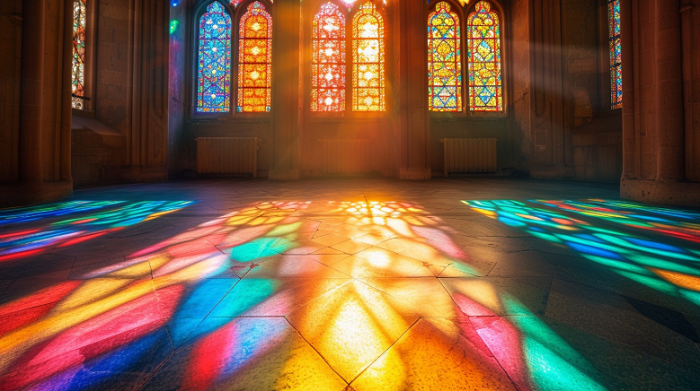
The intersection of nature and craftsmanship has always produced profound beauty, but few mediums capture the delicate essence of botany as vibrantly as stained glass. A stained glass flower is more than a mere decoration; it is a masterclass in the manipulation of light, a permanent preservation of a fleeting seasonal moment, and a testament to an artistic tradition that spans centuries. From the towering cathedrals of the Middle Ages to the bohemian suncatchers of a modern apartment, the floral motif remains the heart of glass artistry.
The Historical Evolution of Floral Glass
The history of stained glass is often associated with the grand narrative of religious storytelling. However, as the craft moved from the sacred to the secular, the "glass garden" began to bloom. During the Victorian era and the subsequent Art Nouveau movement, artists like Louis Comfort Tiffany revolutionized how we perceive the stained glass flower.
Tiffany moved away from the heavy, painted lines of Gothic windows and toward "favrile" glass—glass that possessed color within its own structure. This allowed for gradients, swirls, and textures that mimicked the velvet of a rose petal or the translucent veins of a leaf. The floral patterns became fluid, organic, and wildly expressive, moving beyond the window frame to adorn lampshades, fire screens, and even jewelry.
The Anatomy of a Glass Bloom: Materials and Techniques
Creating a realistic or even a stylized floral piece requires a deep understanding of how glass behaves under heat and light. To craft a stained glass flower, an artist must navigate several technical hurdles:
- Glass Selection: This is the most critical step. "Streaky" glass might be used to simulate the variegated colors of a tulip, while "muffle" glass with its hammered texture can replicate the dew-dropped surface of a morning blossom.
- The Cut: Flowers are notoriously difficult to cut because of their concave curves. Cutting a deep "U" shape into a piece of glass to form a petal requires precision and patience; one wrong move with the glass cutter, and the entire sheet fractures.
- The Foil and Solder: In the Tiffany method, each individual petal is wrapped in thin copper foil. When these pieces are soldered together, the lead lines act as the "botanical sketches" of the flower, defining its shape and providing the structural skeleton that holds the light.
The Psychology of Light and Color
Why are we so drawn to the image of a flower in glass? The answer lies in the science of optics. Unlike a painting, where light reflects off the surface, stained glass is "transmissive." The light passes through the medium, picking up the molecular vibration of the metallic oxides used to color the glass (such as gold for reds or cobalt for blues).
When you place a stained glass flower in a window, it becomes a dynamic object. As the sun moves across the sky, the colors shift in intensity. A deep ruby rose might appear nearly black in the dim light of dawn, only to explode into a fiery crimson at noon. This kinesis mimics the life cycle of a real plant, giving the artwork a soul that static mediums often lack.
Integrating Floral Stained Glass into Modern Interior Design
Modern design often leans toward minimalism—clean lines, neutral palettes, and functional spaces. In such environments, a stained glass flower acts as a "visual anchor." It provides a splash of organic chaos and saturated color that prevents a room from feeling too sterile.
- Suncatchers: Small, hanging pieces are perfect for those who want to experiment with glass without committing to a full window installation. A single stained glass sunflower hanging in a kitchen window can brighten the mood of the entire room.
- Privacy Panels: In bathrooms or entryways, floral glass panels serve a dual purpose. They obscure the view from the outside while allowing natural light to flood the interior, turning a functional necessity into a gallery-worthy display.
- Artificial Lighting: Stained glass lampshades featuring floral patterns create an intimate atmosphere. The warmth of the bulb through the glass creates a "hushed" lighting effect, perfect for reading nooks or bedrooms.
The Symbolism of the Glass Garden
Every flower tells a story, and in the medium of glass, these stories become permanent.
- The Lily: Often used in glass to represent purity and peace, its long, elegant lines make it a favorite for vertical window panels.
- The Rose: A symbol of love and passion, the rose is perhaps the most complex floral glass project due to its overlapping layers of petals.
- The Lotus: Popular in contemporary glass art, the lotus represents resilience and rebirth, often rendered in iridescent glass that shimmers like water.
The Sustainability of Stained Glass Art
In an era of "fast decor" and disposable furniture, stained glass stands out as a sustainable choice. A well-made glass piece does not fade in the sun; in fact, it thrives in it. It does not off-gas chemicals, and it can last for hundreds of years. Choosing a stained glass flower is an act of supporting traditional craftsmanship and investing in an heirloom that can be passed down through generations.
Conclusion: A Bloom That Never Fades
The allure of the stained glass flower lies in its paradox: it is a fragile image of a fragile thing, yet it is made of a material that can withstand the test of time. It captures the ephemeral beauty of a garden and freezes it in a kaleidoscope of color. Whether you are an art collector, a DIY enthusiast, or someone simply looking to bring a bit of nature’s brilliance into your home, stained glass offers a window into a world where the sun never sets on the garden.
By choosing these handcrafted treasures, we keep a centuries-old flame alive, ensuring that the dance of light and glass continues to enchant us, one petal at a time.