Saving a Tooth vs Extraction: Making the Right Choice for Your Smile
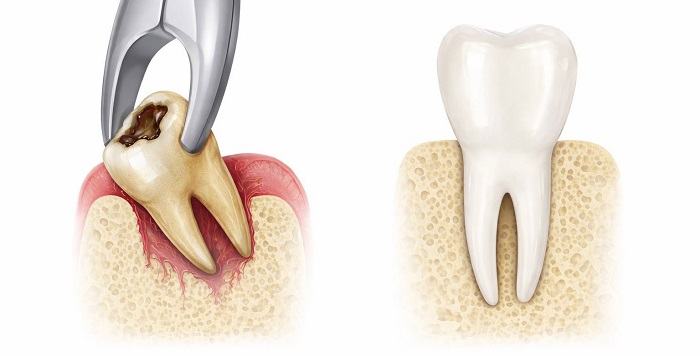
When a tooth becomes damaged, decayed, or infected, one of the most important decisions a patient faces is whether to save the natural tooth or have it extracted. This decision affects not only oral health but also long term comfort, function, and appearance. Understanding the options available, along with their benefits and limitations, can help patients make informed choices in partnership with their dental provider.
The Role of General Dentistry in Preserving Natural Teeth
General dentistry plays a central role in determining whether a tooth can be saved or should be removed. Dentists who practice general dentistry are trained to evaluate the extent of damage or decay, assess the health of surrounding tissue, and recommend the most appropriate treatment. In many cases, the first goal of general dentistry is preservation, since natural teeth are almost always preferable to artificial replacements when they can be restored to full function.
Procedures such as fillings, crowns, and root canal therapy are common tools used to save a tooth that might otherwise be considered a candidate for extraction. A thorough examination, often supported by X rays, allows the dentist to see how deep the damage extends and whether the tooth's root and supporting bone remain healthy enough to support restoration.
Why Saving a Natural Tooth Is Often the Preferred Option
There are several reasons dentists generally lean toward saving a natural tooth whenever it is feasible. Natural teeth are anchored by roots that stimulate the jawbone, helping to maintain its density and shape over time. When a tooth is extracted and not replaced properly, the jawbone in that area can begin to shrink, which may lead to changes in facial structure and difficulty chewing. Natural teeth also tend to function better than replacements, since they are perfectly suited to the bite and alignment of the rest of the mouth.
In addition, saving a tooth through procedures like root canal therapy can be more cost effective in the long run. While the upfront cost of a root canal followed by a crown might seem higher than an extraction, replacing an extracted tooth with a bridge or implant often costs more overall and requires additional appointments and healing time.
When Root Canal Therapy Becomes Necessary
Root canal therapy is one of the most common procedures used to save a tooth that has become infected or severely decayed. During this treatment, the dentist removes the infected or inflamed pulp from inside the tooth, cleans and disinfects the interior canals, and then seals the space to prevent further infection. Afterward, the tooth is typically restored with a crown to protect it from future damage and restore its strength for chewing.
Many patients feel anxious about root canal therapy, but modern techniques and anesthesia have made the procedure far more comfortable than its reputation suggests. Most patients report that the discomfort experienced during recovery is similar to that of a routine filling. Choosing root canal therapy allows the patient to keep their natural tooth, avoid the complications associated with missing teeth, and maintain a more natural appearance and bite function.
When Extraction Becomes the Better Option
Despite the benefits of saving a tooth, there are situations where extraction is the safer and more practical choice. If a tooth is fractured below the gum line, has extensive bone loss around it, or is affected by advanced periodontal disease, attempting to save it may not be successful and could lead to repeated infections or further complications. In some cases, a tooth may be too weak structurally to support a crown or other restoration, even after root canal therapy.
Extraction may also be recommended for wisdom teeth that are impacted or causing crowding, as well as for teeth that pose a risk to the health of neighboring teeth. In these situations, removing the tooth can prevent further damage and allow the mouth to heal properly. After extraction, patients typically have several options for replacement, including dental implants, bridges, or partial dentures, depending on their needs and budget.
Weighing the Decision: Factors to Consider
Deciding between saving a tooth and opting for extraction involves several factors. The extent of damage or infection is one of the most significant considerations, along with the overall health of the surrounding gum and bone tissue. A patient's age, medical history, and personal preferences also play a role in this decision. Some patients prioritize preserving their natural teeth for as long as possible, while others may prefer a quicker solution if the tooth is unlikely to remain functional over time.
Cost and insurance coverage can influence the decision as well, since treatments like root canals and crowns may differ in price compared to extraction followed by a replacement option. Discussing these factors openly with a dental provider ensures that patients understand the pros and cons of each path before moving forward.
The Importance of Timely Treatment
Regardless of which path is chosen, timely treatment is essential. Delaying care for a damaged or infected tooth can lead to worsening pain, spreading infection, and a higher likelihood that extraction becomes the only viable option. Regular dental checkups allow potential problems to be caught early, often when a tooth can still be saved through relatively simple restorative procedures.
Patients experiencing tooth pain, sensitivity, or visible damage should seek professional evaluation as soon as possible rather than waiting for symptoms to worsen. Early intervention often provides more treatment options and better long term outcomes.
Conclusion
Choosing between saving a tooth and extraction is a decision that depends on the specific circumstances surrounding each case. While preserving a natural tooth is often the preferred outcome due to its benefits for oral function and jawbone health, extraction remains a necessary and appropriate solution in certain situations. General dentistry provides the expertise needed to evaluate each case individually, offering guidance on the safest and most effective path forward. By seeking timely care and maintaining open communication with a trusted dental provider, patients can make confident decisions that support their long term oral health and overall wellbeing.