Maximize Sales Velocity: The Ultimate Guide to Pipedrive CRM Integration Tools
Modern sales environments require more than a simple digital Rolodex to close deals. To scale effectively, your customer relationship management platform must communicate natively with your daily tech stack. Leveraging robust pipedrive crm integrations ensures that communication flows smoothly between lead generation, client communication, and final signature workflows, eliminating the friction of manual data entry.
When sales representatives waste time switching between separate applications, deals stall and communication gaps form. Integrating specialized applications directly into your primary sales pipeline allows your team to focus entirely on closing revenue rather than managing systems.
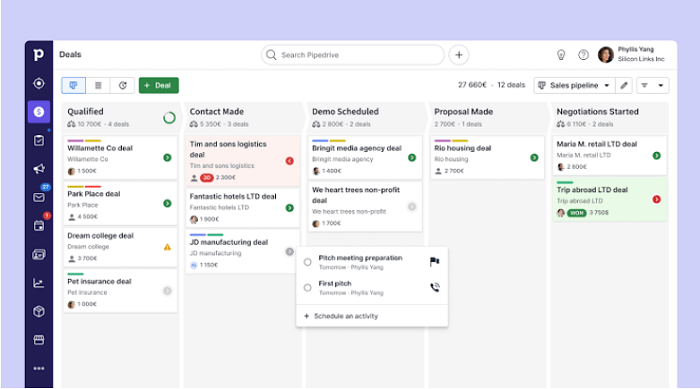
Why Connect Your Sales Stack to Pipedrive?
A visual sales pipeline is incredibly effective for tracking deal stages, but its value drops if the data within it is outdated. Connecting third-party tools to your CRM creates a single, unified source of truth for your business.
Eliminating Manual Data Transfer
Automated data transfers stop the leaks in your sales funnel. When a prospect interacts with a marketing asset, schedules a call, or signs a proposal, the update should show up in your CRM instantly. This saves your team hours of copy-pasting details and removes human error from your reporting.
Real-Time Pipeline Clarity
Managers need real-time data to forecast revenue accurately. By using integrated apps, every team member can see exact conversation histories, document views, and call logs without needing to message an account executive for an update.
Streamlining Outbound Communication
High-velocity sales teams live and die by their communication speed. Connecting outbound dialing and communication channels directly to your deal cards completely changes how your sales development reps run their daily outreach.
Optimizing Voice Outreach
Instead of manually typing phone numbers from a screen to a physical desk phone or standalone software app, modern teams use a dedicated pipedrive caller setup. This integration lets reps place outbound calls with a single click directly from an active deal card.
The biggest advantage here is automatic activity logging. The system notes when a call happens, tracks how long it lasted, and saves call recordings right to the prospect's history log. This ensures that no interaction goes unrecorded and gives context to anyone stepping in to help with the account.
Synchronizing Email Workflows
Connecting email accounts ensures that every message sent or received is automatically attached to the correct contact profile. Sales reps can send personalized email templates at scale, track open rates, and set up automated follow-ups based on how a prospect interacts with an email.
Accelerating Document Management and Signatures
The period between a verbal agreement and a signed contract is incredibly risky. Any delay or technical issue can give a buyer second thoughts.
Seamless Contract Creation
Instead of downloading documents, manually editing terms, and re-uploading PDFs, sales teams can use native document tools to pull data directly from Pipedrive custom fields. This populates customer names, pricing tables, and specific contract terms automatically, cutting document creation time down from hours to minutes.
Advanced Proposal Tracking
Using a dedicated integration like Getaccept gives sales reps deep visibility into how prospects interact with their proposals. Beyond simple electronic signatures, these specialized platforms track exactly when a recipient opens a document, which pages they spend the most time reviewing, and where they lose interest.
This behavioral data helps reps follow up strategically. If a prospect spends ten minutes looking at the implementation timeline page, the sales rep can proactively reach out to answer any unstated onboarding questions.
Key Integration Categories for Sales Growth
|
Integration Category |
Primary Business Benefit |
Core Metric Improved |
|
Outbound Calling |
Single-click calling, automated call logging, and central call recording storage. |
Call Volume & Talk Time |
|
Document Automation |
Automated contract generation with real-time document engagement tracking. |
Time-to-Sign & Close Rate |
|
Lead Generation |
Automated data sync from web forms and landing pages straight to the pipeline. |
Lead Response Time |
Step-by-Step Integration Setup
Connecting new applications to your dashboard is straightforward and can usually be completed without technical help.
Step 1: Browse the Marketplace
Navigate to the App Marketplace from your account settings to search for the specific software solutions your team needs.
Step 2: Grant App Permissions
Click "Install Now" on your chosen application. You will be prompted to approve data permissions, allowing the tool to securely read and write information within your workspace.
Step 3: Map Custom Fields
Configure the application settings to map external data fields to your corresponding CRM fields, ensuring information lands exactly where it belongs.
Step 4: Run a Test Deal
Create a dummy contact and push a test transaction through the workflow to confirm that call logs, emails, or documents transfer correctly before rolling it out to the wider team.
FAQ: Optimizing Your Pipeline Architecture
Do integrations slow down dashboard loading times?
No. Marketplace integrations communicate via secure cloud APIs (Application Programming Interfaces), meaning the data processing happens externally without reducing your visual workspace speed.
Can I restrict app access based on user roles?
Yes. Administrators can set specific permissions, control which team members can install applications, and manage who can view integrated data fields on deal profiles.
What should I do if data isn't syncing between apps?
First, check the authentication status within the marketplace settings to ensure the API tokens are active. If the connection is live, verify that your field mapping matches perfectly on both platforms.