How Venues Of All Kinds Are Investing In Better AV And Sound
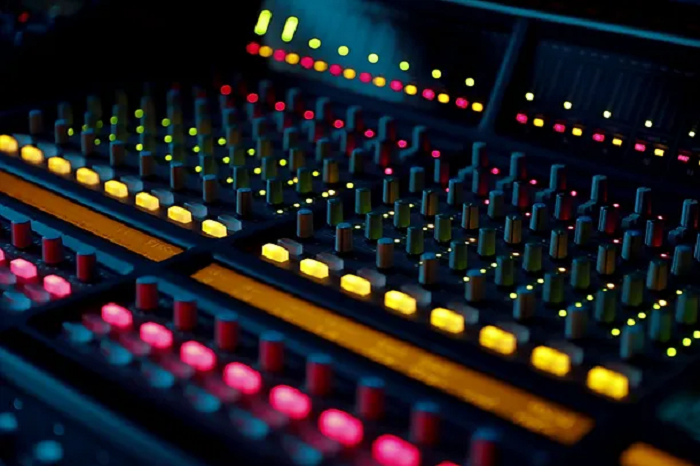
Ask any working musician what makes or breaks a gig, and most won't mention the crowd size first. They'll mention the sound.
A packed room with a muddy mix feels flat. A half-full room with a properly tuned system can feel electric. That difference isn't luck. It's investment, and it's one more venues are starting to take seriously, not just traditional concert halls, but pubs, bars, community spaces, and places of worship that never used to think of themselves as "AV spaces" at all.
Here's what's actually driving that shift, and what it looks like in practice.
Artists Are Raising The Bar
Fans who buy tickets and merch directly from artists, the whole direct-to-fan model, expect the live experience to match the polish of everything else that artist puts out. A great streaming mix or a well-produced music video sets an expectation, and a venue with a tinny PA and dead spots on the floor doesn't meet it.
Venues that invest in their sound aren't just doing it for the audience. They're doing it to stay attractive to the artists and promoters choosing where to book a show in the first place. A venue known for treating sound seriously tends to get first pick of touring acts over one that doesn't.
It's Not Just Traditional Music Venues Anymore
Here's the thing: the venues rethinking their AV setup aren't limited to the obvious ones. Independent bars and pubs hosting regular live sets are increasingly investing in proper sound systems rather than relying on a single speaker bolted above the bar. A well-designed setup means the band on a Friday night sounds as good as the acoustic duo on a Tuesday, without either one fighting the room's acoustics.
Getting this right in a smaller venue is its own challenge. Bars and pubs weren't built as performance spaces, so a sound system has to work with awkward layouts, hard surfaces, and a room that's also trying to function as a normal pub the rest of the week. This is exactly the kind of setup Excite Technology's bar and pub installations are designed around, tuning a system to the specific space rather than dropping in generic equipment and hoping for the best.
Places Of Worship Are Investing Too
Community and religious spaces are another category seeing real investment, often for reasons that have nothing to do with live music at all. Clear, evenly distributed audio matters enormously in these settings, where a large room needs every attendee to hear clearly regardless of where they're seated.
Mosques in particular have specific acoustic and audio requirements, covering large open prayer halls, the need for clarity during recitation, and integration with existing building architecture that wasn't originally designed around modern audio equipment. It's a specialised job, which is why Excite Technology's mosque audio systems are built around the specific needs of that kind of space rather than a one-size-fits-all installation.
What's Actually Changed
A few years ago, decent AV was seen as something only larger venues could justify. That's shifted for a couple of reasons. Equipment has become more affordable at a professional standard, and venues have realised that sound quality directly affects reputation, repeat bookings, and, for music venues specifically, whether artists want to play there again.
There's also a simple word-of-mouth effect. A show that sounds great gets talked about. A show that sounds bad gets remembered for the wrong reason, and in a world where fans are quick to post about a bad experience, that reputational cost adds up fast.
Getting The Details Right
Good AV isn't just about buying expensive speakers. It's about designing a system around a specific room, its shape, its materials, its typical crowd size, and how the space gets used outside of events. A system that sounds great in an empty room can sound completely different once it's full of people absorbing sound differently than bare walls do.
This is where working with a specialist matters more than the price tag on the equipment itself. A properly designed installation accounts for all of this from the start, rather than requiring costly adjustments after the fact.
Sound That Works On Both Sides Of The Room
Venues increasingly need their AV to do more than just sound good in the room. With more shows, talks, and events being streamed to remote audiences, a properly designed system also has to hold up for live broadcast, not just a live crowd. For venues weighing that up, it's worth understanding what goes into AV for live-streamed events, since streaming reliably takes a different level of planning than simply running sound for the people in the room.
The Bottom Line
Sound used to be an afterthought for a lot of venues, something to sort out once everything else was in place. That's changing. Whether it's a pub hosting live music, a place of worship serving a large congregation, or a venue investing in reliable streaming for a remote audience, the venues getting it right are the ones treating AV as part of the core experience, not a detail bolted on at the end.
For fans, artists, and congregations alike, that difference is immediately audible the moment they walk in.