Fun Ways to Exercise at Home: 15 Easy and Enjoyable Ideas
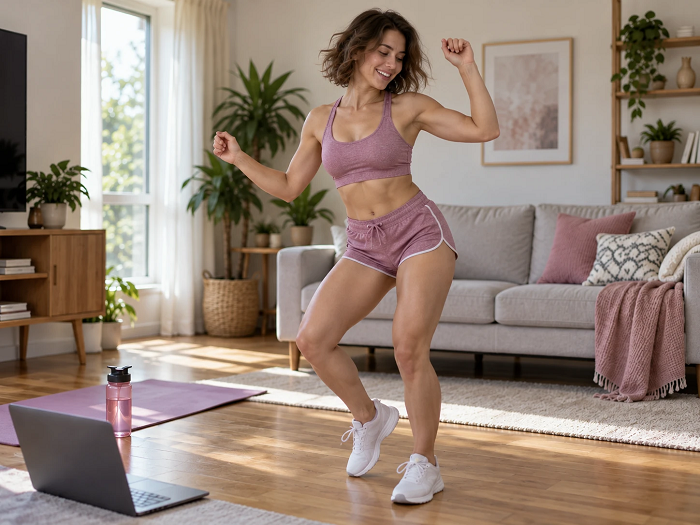
Staying active doesn't have to mean lifting heavy weights, following complicated routines, or spending hours at the gym. Some of the best fun ways to exercise at home involve music, playful movement, and everyday activities that barely feel like workouts.
Whether you love dancing, enjoy friendly challenges, or prefer gentle stretching, there's something for every fitness level. You don't need expensive equipment or a dedicated workout room, either.
The secret is finding activities you genuinely enjoy. When movement feels rewarding rather than exhausting, making it a regular habit becomes much easier.
Here are 15 simple ideas to help you move more, boost your energy, and enjoy getting fit without leaving home.
Fun Ways to Exercise at Home Without Equipment
You don't need special equipment to improve your fitness. A little space, comfortable clothing, and a willingness to move are enough to get started.
1. Turn Up the Music for a Living Room Dance Party
Dancing is one of the easiest ways to combine exercise with entertainment. Put on upbeat music or your favourite music and move however it inspires you, letting the rhythm set the pace.
Try alternating between faster songs and slower tracks to vary the intensity. The quicker beats can get your heart pumping and make you sweat, while the gentler songs help you slow down and recover. Even 10–15 minutes of continuous dancing can elevate your heart rate and engage multiple muscle groups.
2. Try a Guided Home Dance Workout
If you prefer a little structure, a home dance workout offers an enjoyable mix of cardio, coordination, and rhythm.
Beginner-friendly routines often combine simple steps, arm movements, and easy choreography. You can explore options for a home dance workout at https://everdance.app/en, where different movement styles and fitness levels make it easier to find a comfortable starting point.
Focus on following the rhythm rather than performing every step perfectly.
3. Explore Different Dance Styles
Keep things interesting by experimenting with salsa, hip-hop, jazz, or Bollywood-inspired movement.
Each style challenges your body differently. Salsa encourages coordination and footwork, while hip-hop routines often incorporate energetic, full-body movements.
If energetic styles feel like a lot at first, start with a gentler pace, or try a short online class to learn unfamiliar steps.
4. Play Freeze Dance
Remember playing freeze dance as a child? It works just as well as a playful adult workout.
Start moving when the music plays and freeze whenever it stops. Try holding a different standing pose each time, provided you can maintain your balance comfortably.
It's especially entertaining when exercising with kids or friends.
5. Create Your Own Mini Dance Routine
Choose three or four simple movements and combine them into a short routine.
For example, alternate side steps, shoulder rolls, gentle knee lifts, and arm circles. Repeat the sequence until it feels natural.
Creating choreography adds a creative challenge while helping you practice coordination and movement control.
6. Challenge Yourself With Indoor Walking
Walking indoors may sound ordinary, but adding creative variations makes it surprisingly engaging.
March around your living room, walk along a hallway, or take laps between rooms. Change your pace every minute to introduce variety. If you have enough time, walk while you talk with a friend so the conversation distracts from exercise fatigue, or take a walking meeting at home to get more steps in while discussing business. That kind of walk can add up to close to a mile without feeling like a formal workout.
You can also watch a favorite show or listen to an audiobook or podcast while moving.
7. Try an Imaginary Jump Rope Workout
You don't need an actual rope to enjoy this classic cardio activity.
Pretend you're turning a jump rope while making small, controlled hops. Prefer something gentler? Keep one foot on the floor and alternate heel lifts.
This option lets you adjust the intensity without needing extra equipment.

8. Play Fitness Bingo
Turn exercise into a game by creating a bingo card filled with simple movements.
Include activities such as:
- 20 seconds of marching in place
- 10 wall push-ups
- 15 standing knee raises
- 30 seconds of dancing
- 10 chair sit-to-stands
- 20 seconds of gentle stretching
Complete a square whenever you finish an activity. Aim for a full row or challenge yourself to complete the entire card across the week.
9. Give Shadowboxing a Try
Shadowboxing provides an energetic way to practice upper-body movement and coordination.
Stand comfortably with your feet apart, keep your knees soft, and throw controlled punches into the air. Add gentle side steps to involve your lower body.
Avoid locking your elbows or twisting aggressively.
10. Build a Simple Living Room Circuit
Combine three or four favorite movements into a mini workout.
Try one minute of marching, 30 seconds of wall push-ups, one minute of dancing, and 30 seconds of chair sit-to-stands.
Rest when needed and repeat the circuit at a comfortable pace, or move through the rounds at a brisk pace with short rests if you want it to feel more like a high intensity interval workout that burns calories efficiently.
Easy Home Workouts for Beginners and Seniors
Some of the best fun home workout ideas are gentle enough for beginners while remaining rewarding for older adults.
11. Enjoy Low-Impact Dance Fitness
Dancing doesn't have to involve jumping, spinning, or complicated footwork.
Low-impact routines use controlled steps, comfortable movements, and manageable rhythms. They can suit your mood and still work well whether you follow sessions at home or join a group class, helping you practice endurance and coordination while reducing unnecessary stress on your joints.
For older adults seeking suitable routines, dance fitness for seniors includes gentle movement, balance-focused sessions, and chair dance options.
Choose movements that match your mobility and energy level. Even when you begin with solo practice at home, a dance class can lift your mood and support social connection.
12. Try Chair-Based Exercise
Chair workouts are practical for anyone who prefers seated movement or needs additional support.
Sit in a sturdy, stationary chair and alternate seated marching, arm reaches, shoulder rolls, and gentle leg extensions. These low-impact sessions can strengthen your muscles and legs without high impact.
Add music to make the session more entertaining. Keep your movements controlled and avoid pushing into pain.
13. Practice Balance Games
Balance exercises can turn ordinary movements into meaningful physical challenges.
Try standing with your feet close together beside a sturdy countertop or shifting your weight slowly from one foot to the other.
Keep support within reach, especially if you're new to balance training.
14. Explore Gentle Yoga Flow
Yoga combines flexibility, body awareness, and controlled movement, and gentle pilates can offer similarly slow, controlled movement with full-body awareness.
Try a sequence of shoulder circles, standing side stretches, gentle forward reaches, and comfortable breathing.
You don't need advanced poses to benefit from stretching and mindful movement, and free youtube videos make it easy to follow a beginner session at home.
15. Finish With a Relaxing Stretch Session
Not every workout needs to leave you breathless.
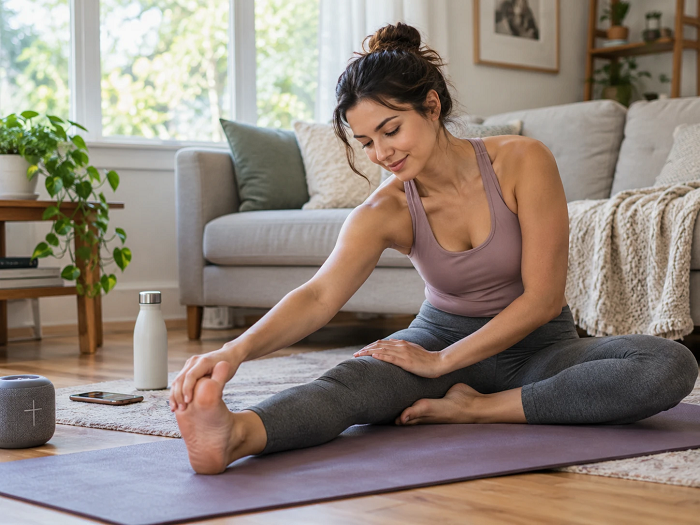
Spend 10 minutes stretching your calves, shoulders, hips, and upper back. Play calming music and move slowly through a comfortable range of motion.
Gentle stretching can be an enjoyable way to unwind after an active day.
How to Make Fun Ways to Exercise at Home a Daily Habit
The most effective routine isn't necessarily the hardest. It's one you can maintain comfortably and consistently.
Build a Routine That Matches Your Lifestyle
Start with manageable sessions rather than setting unrealistic expectations.
A simple weekly schedule might include dance workouts on Monday and Thursday, indoor walking on Tuesday, gentle strengthening on Wednesday, and yoga on Friday.
Beginners can start with 10-minute sessions and gradually increase their activity as their stamina improves.
For balanced fitness, include movements that support cardiovascular health, muscle strength, flexibility, and balance.
Keep Every Workout Fresh and Enjoyable
Variety can help prevent exercise from becoming repetitive.
Rotate your activities, try different music genres, invite family members to participate, or create small personal challenges at home.
Instead of focusing exclusively on calories or workout duration, notice improvements in energy, confidence, coordination, and everyday movement. A fun exercise routine is easier to stick with when it helps you feel stronger and supports everyday life and broader health benefits.
Warm up before exercising, clear obstacles from your space, and stay hydrated. If you have significant mobility limitations or medical concerns, seek appropriate professional guidance before attempting unfamiliar activities.
Conclusion
Exercise should be something you look forward to, not another stressful obligation.
From dancing and fitness games to chair workouts and relaxing stretches, there are countless fun ways to exercise at home without investing in equipment or committing to complicated routines.
Experiment with different activities, adjust movements to your abilities, and celebrate small improvements.
Even a few enjoyable minutes of movement can become the foundation of a healthier, more active lifestyle.
Frequently Asked Questions
What Are the Most Fun Ways to Exercise at Home Without Equipment?
Dancing, indoor walking challenges, shadowboxing, fitness bingo, bodyweight circuits, active video games like Beat Saber, and throwing a frisbee are enjoyable options that require little or no equipment, making each a fun activity that can boost physical activity and, with frisbee play, increase your step count. These activities can improve cardiovascular fitness, coordination, and muscle endurance when performed consistently. Choose movements that suit your current abilities and available space. Combining several activities throughout the week keeps your routine interesting while allowing different muscle groups to participate.
Is a Home Dance Workout Effective for Improving Fitness?
Yes. A home dance workout can improve cardiovascular endurance, coordination, and muscular stamina, depending on its duration and intensity. Upbeat routines raise your heart rate, while slower choreography helps develop movement control and balance. Beginners can start with 10–15 minutes and gradually increase their sessions. For a well-rounded fitness routine, combine dancing with simple strengthening exercises and flexibility work.
What Are the Best Fun Home Workout Ideas for Beginners and Seniors?
Beginners and seniors often benefit from low-impact activities such as chair dancing, indoor walking, supported balance exercises, and gentle stretching. These movements are adaptable and can be performed at a comfortable pace. Start with short sessions and prioritize stable footing, controlled movements, and proper support. Older adults should also include suitable strengthening and balance activities alongside aerobic exercise to support everyday mobility.
How Often Should You Exercise at Home to See Results?
Consistency matters more than completing one exhausting workout. If you do not have enough time, short workouts still count and can still help build momentum. Aim to be active on most days, beginning with manageable sessions if you're new to exercise. Many adults can work toward 150 minutes of moderate aerobic activity weekly, along with muscle-strengthening activities at least twice per week. Your ideal schedule depends on your health, fitness level, and goals. Gradually increasing activity makes long-term progress more healthy and sustainable with age, fitness level, and consistency in mind.