From Demo Track to Release Artwork: A Visual Guide for Independent Metal Bands
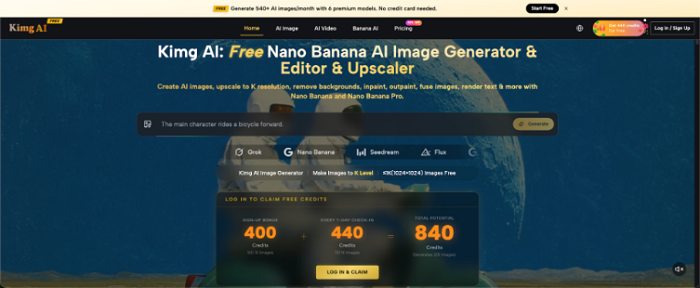
A band may spend months refining a song, then rush its artwork during the final week before release. The result is often a generic dark landscape, an unreadable logo, or a cover that feels disconnected from the music. Nano Banana gives independent artists another way to explore visuals from prompts and existing images, but speed alone does not create identity. Metal artwork works when it reflects the record’s atmosphere, remains recognizable across formats, and still feels connected to the musicians behind it. The process should begin with the song, not with a random visual effect.
Translate the Music Into Concrete Visual Decisions
Words such as “dark,” “epic,” and “aggressive” describe thousands of metal releases. They are too broad to guide a distinctive cover. Listen to the track and identify physical details that match its character: a confined room, scorched metal, wet asphalt, religious architecture, broken machinery, cold daylight, or a crowded stage exit.
Then connect those details to musical choices. A slow doom track may suggest heavy negative space and one large subject. Fast thrash may suit sharp angles, compressed framing, and visible movement. Symphonic metal may call for depth, ornament, and a stronger sense of scale. These are not fixed genre rules. They are starting points for turning sound into visible decisions.
Write a short visual brief before generating. Include the subject, setting, mood, color direction, and one element to avoid. This keeps the image tied to the song instead of drifting toward familiar genre clichés. Share the brief with the other band members and agree on one direction before generating dozens of unrelated options.
Start With the Band’s Existing Visual Material
A band already has useful references: rehearsal photos, stage shots, logos, previous covers, lyric sketches, costume details, instruments, and locations connected to the record. These assets help new artwork feel like part of the same band rather than an anonymous AI image.
A vocalist’s silhouette, a distinctive guitar, or a photograph of the recording space may become the starting point. Upload the source and request a focused transformation, such as replacing the background, changing the lighting, or converting the scene into an illustrated treatment. Keep the features that make the source recognizable.
This approach is especially valuable for bands with a small budget. It does not replace a photographer, illustrator, or designer. It helps the band explore directions and prepare a clearer brief before deciding which image deserves final production work. A photographer, illustrator, or designer will also work faster when the band arrives with tested compositions and specific references.
Create Three Visual Pieces From One Core Direction
1. The Single or Album Cover
The cover needs one dominant idea. It should remain readable as a small streaming thumbnail while still rewarding a closer look. Avoid filling the square with several symbols simply because each appears in the lyrics.
Generate a few controlled compositions around the same subject. Test a close crop, a wider environment, and a version with more empty space for the band logo. Do not generate the final title inside the artwork. Add official typography afterward so spelling, placement, and legibility remain under your control.
2. The Announcement Image
An announcement image has a different job. It must leave room for the release date, platform information, or show details. Reuse the cover’s central subject, texture, or lighting, but simplify the composition so text does not compete with the artwork.
This is where many bands weaken an otherwise strong identity. They use the cover for one post, then switch to unrelated flames, skulls, or stock concert photos for the next. A connected announcement image makes the release feel intentional without repeating the exact same square cover.
3. The Short Teaser Visual
A short teaser can begin from the approved artwork rather than a new concept. Kimg AI presents image-to-video options that animate a static image through supported video models. For metal artwork, subtle motion often works better than constant action: drifting smoke, moving stage light, a slow camera push, falling ash, or a slight movement in fabric.
Keep the band name, release date, and final editing outside the generated clip. The motion should establish atmosphere for a few seconds, while the official audio and accurate text are added during video editing.
Protect Logos, Faces, Instruments, and Symbols
Metal audiences notice details. A changed logo shape, an extra guitar string, an altered tattoo, or a distorted piece of equipment can make artwork feel careless. Decide which visual elements must remain exact and state that clearly in the prompt.
For a portrait-based image, check facial structure, hands, clothing, jewelry, and instruments at full size. For symbolic artwork, inspect repeated shapes and small background objects. A visually powerful result may still contain errors that become obvious on a poster, shirt, lyric video, or physical insert. Review the image both at thumbnail size and at the largest planned print size.
When using Nano Banana AI, the band can upload a source image and describe the intended transformation. Kimg AI also states that the model supports multiple reference images, which may help separate roles: one image for the subject, one for the band’s established style, and one for the desired composition.
Avoid the Most Familiar AI-Metal Clichés
The easiest prompts often produce the most interchangeable results. Hooded figures, impossible cathedrals, glowing eyes, endless skulls, and heavily detailed fantasy landscapes may fit metal broadly, yet say little about one specific record.
Use the lyrics and recording story to find less obvious material. A song about isolation might begin with an empty industrial changing room instead of a lone warrior. A record about family conflict might use a damaged dining table rather than a burning castle. A local landscape, rehearsal-room object, or personal photograph can provide a stronger foundation than genre shorthand.
Also resist excessive detail. Streaming covers are viewed at small sizes, and concert announcements compete with busy feeds. One clear shape, unusual texture, or memorable contrast often travels further than a scene containing twenty dramatic elements. Ask whether a fan would recognize the cover among ten releases in the same genre.
Build a Release Kit Without Diluting the Identity
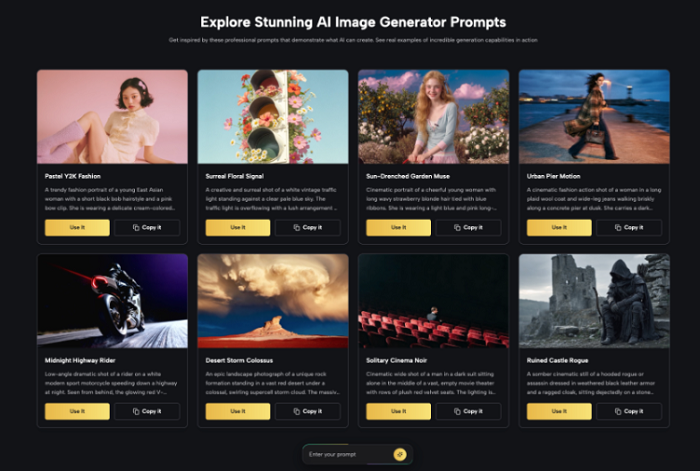
Once the core artwork is approved, Banana AI can help the band prepare related visual directions for a square cover, vertical story image, wide banner, clean press image, and short teaser. Each asset should use the same central visual language, but the composition must fit its format.
Save the source images, prompts, approved outputs, logo files, and final typography separately. Do not stretch one finished image into every ratio. Regenerate or crop with purpose, leaving space where each platform needs it. Check that the cover title remains readable and that important subjects are not hidden by interface elements.
A compact, consistent kit helps magazines, promoters, venues, and fans share the release correctly. It also prevents last-minute posts from introducing unrelated visuals that weaken the work already done. Credit every human contributor clearly and agree on how AI-generated references or source materials were used.
Conclusion
A strong metal release image is not simply dark, detailed, or dramatic. It reflects the sound, preserves the band’s recognizable elements, and works across the cover, announcement, teaser, and press materials. Begin with real band references, build one clear direction, check every important detail, and involve a specialist where the project demands it. Before generating anything, play the track once and write down five physical images it brings to mind. That list is a better starting point than any generic genre prompt and gives the whole band something specific to discuss.