Exploring the Features and Applications of NFC CDs
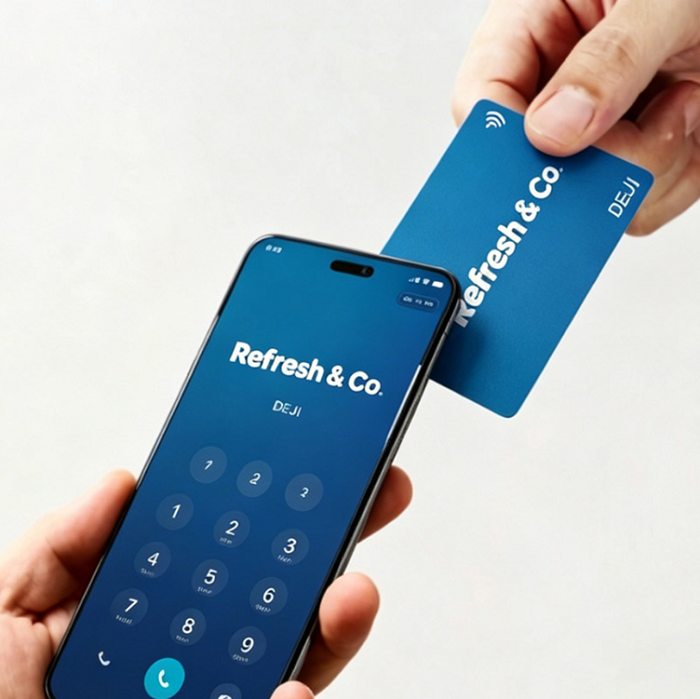
NFC CDs represent a revolutionary combination of traditional optical disc technology and Near - Field Communication (NFC) capabilities. This article delves into the various aspects of nfc cds, from their basic concepts to their wide - ranging applications.
What are NFC CDs?
NFC CDs are compact discs that are embedded with NFC chips. These chips can communicate with NFC - enabled devices, nfc tag such as smartphones, tablets, and other readers. Unlike regular CDs, which mainly rely on optical reading mechanisms to access data stored on the disc, NFC CDs can provide an additional layer of interaction. When an NFC - enabled device is brought close to an NFC CD, the device can read the data stored in the NFC chip without the need for the disc to be inserted into a CD drive.
The data stored in the NFC chip on an NFC CD can be diverse. It can include links to websites, product information, multimedia content like music previews, or even authentication codes. This allows for a more dynamic and interactive experience for the user compared to the static nature of a standard CD.
The integration of NFC technology with CDs is a relatively new development. It aims to bridge the gap between the physical and digital worlds, bringing the convenience of digital access to the tangible medium of a CD. For example, a music CD with an NFC chip could provide the user with exclusive content or bonus tracks that can be accessed directly from their smartphone by simply tapping the CD.
How Do NFC CDs Work?
The working principle of NFC CDs is based on the electromagnetic induction between the NFC chip on the CD and the NFC antenna in the reader device. When an NFC - enabled device is in close proximity (usually within a few centimeters) of the NFC CD, an electromagnetic field is established between the two. This field allows for the transfer of data between the NFC chip on the CD and the device.
The NFC chip on the CD contains a small amount of memory where data is stored. This data can be programmed during the manufacturing process of the CD. Once the data transfer is initiated, the device reads the information from the chip and can perform various actions based on the type of data received. For instance, if the data is a URL, the device's web browser will open the corresponding website; if it is a media file, the device's media player will play the content.
It's important to note that the data transfer speed between an NFC CD and an NFC - enabled device is relatively limited compared to other data transfer methods. However, for the types of data typically stored on an NFC CD, such as short text, links, or small media files, the transfer speed is sufficient. Also, the communication between the NFC CD and the device is one - way in most cases, with the device reading the data from the CD rather than writing to it.
Advantages of NFC CDs
One of the main advantages of NFC CDs is the enhanced user experience. They offer a more engaging way for consumers to interact with the content on the CD. For example, in the case of a software CD, the NFC chip can provide quick access to online support resources, product updates, or user manuals. This not only saves time for the user but also adds value to the product.
NFC CDs also have marketing potential. Companies can use the NFC chips on CDs to promote additional products or services. For instance, a movie CD could have an NFC chip that provides access to trailers of upcoming movies, merchandise offers, or exclusive behind - the - scenes content. This can help in increasing brand awareness and driving sales.
Another advantage is the convenience factor. With NFC CDs, users no longer need to insert the CD into a drive to access certain information. They can simply tap their NFC - enabled device on the CD and get the relevant data. This is especially useful in situations where a CD drive is not readily available, such as on a mobile device.
From a security perspective, NFC CDs can be used for authentication purposes. For example, in corporate settings, an NFC CD could be used as a secure access token. The data on the NFC chip can be encrypted, ensuring that only authorized devices can access the information, adding an extra layer of security to the system.
Applications of NFC CDs
In the entertainment industry, NFC CDs have a wide range of applications. Music CDs can use NFC technology to offer fans exclusive content, such as bonus tracks, live performance recordings, or artist interviews. Movie CDs can provide access to special features like deleted scenes, director's commentaries, or interactive movie - related games. This enriches the overall entertainment experience for the consumers.
In the educational field, NFC CDs can be used to enhance learning materials. Textbooks in CD format can have NFC chips that provide additional online resources, such as video tutorials, interactive quizzes, or supplementary reading materials. This makes the learning process more dynamic and engaging for students.
In the business world, NFC CDs can be used for product promotion and customer engagement. For example, a company can distribute product CDs with NFC chips that provide detailed product information, customer testimonials, or links to online purchase pages. This can help in generating leads and increasing sales.
Healthcare is another area where NFC CDs can be applied. Medical CDs can have NFC chips that store patient - specific information, such as medical history, test results, or treatment plans. This information can be quickly accessed by healthcare providers using NFC - enabled devices, improving the efficiency of patient care.
Overall, NFC CDs have the potential to transform the way we interact with CDs and open up new possibilities in various industries.